


Tripio
4.014.00 Reviews
App Specs
- Version
- 2.3.0
- Updated On
- License
- Free
- Downloads
- 10,000+
- Developer
- Tripio
- Categories
- Travel & Local
- Platform
- Android
Screenshots
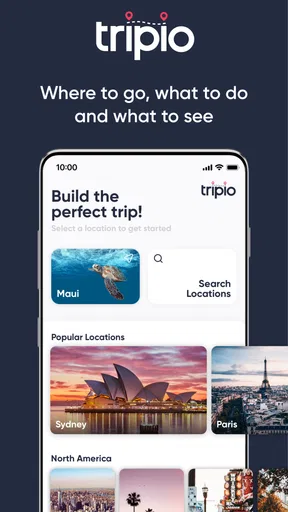

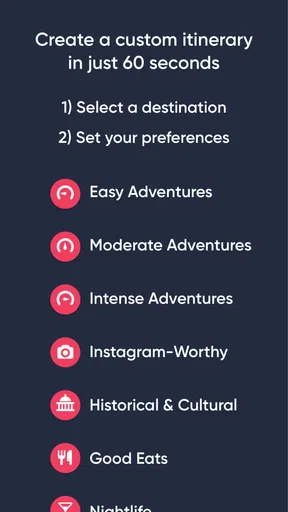
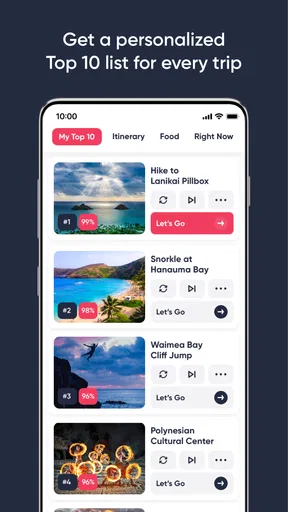
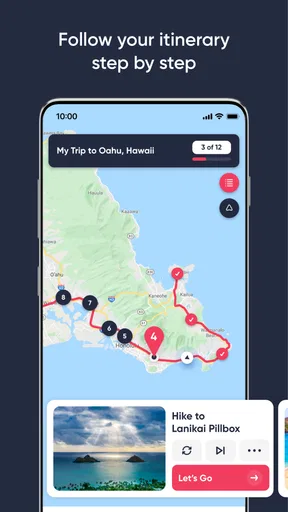
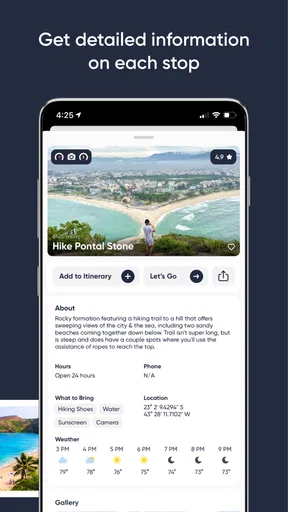
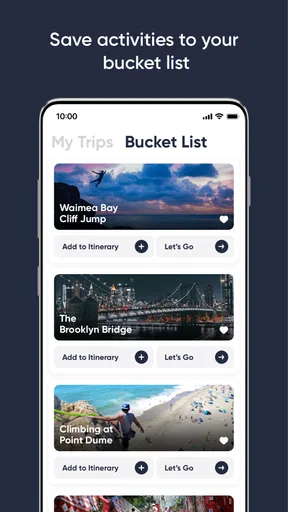
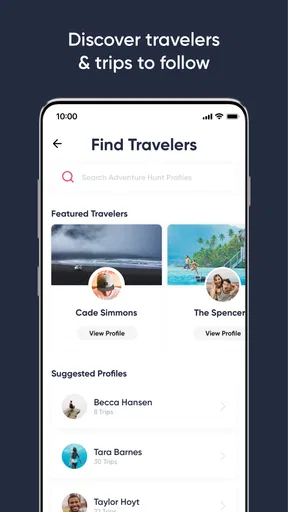
 Analysis by AppCompare
Tripio is the kind of travel app that makes a promising first impression because it aims to put useful trip information in one place rather than making you jump between several unrelated tools. I found it easiest to appreciate when I treated it as a planning companion: something to open while shaping an idea, checking possibilities, or keeping travel details close at hand. It is a free app in the Travel & Local category, developed by Tripio, and its Everyone age rating makes it approachable for a broad audience.
That first impression matters, but travel apps often face a harder test after the excitement of an upcoming trip disappears. A service can feel helpful on the first weekend and then become clutter on a phone if it does not support a regular habit. My experience with Tripio left me with a balanced view: it has a clear place in the early stages of travel planning, yet its long-term value depends heavily on whether you travel often enough to keep returning to it.
What Tripio feels like during the first week
During the first few uses, I approached Tripio with a simple question: can it reduce the mental load of organizing a journey? That is the right standard for this app. The store summary presents it as an ultimate travel resource, but I would not interpret that as a promise that it replaces every travel service. Its practical appeal is better understood as convenience. Instead of beginning every trip from a blank search screen, I could use one travel-focused space to start thinking through the destination and the shape of the visit.
The first-week appeal comes from the change in mindset. A general web search is useful when I already know exactly what I need, such as a particular departure time or a specific hotel. Tripio is more suitable when my plans are still loose. I might know the destination and approximate timing but not yet know how to organize the days. In that situation, a dedicated travel app feels less scattered than opening a browser, notes app, map, and several booking services at once.
I also liked the possibility of using it at different moments rather than only at a desk. A quick planning session at home can be followed by another check while commuting or waiting for a friend to decide between two destinations. That flexibility is important because travel planning is rarely one uninterrupted task. It usually happens in small bursts, with new decisions appearing gradually.
The strongest early benefit is reduced friction, not magic. Tripio does not need to transform travel planning to be useful. It only needs to make the next decision easier. For a first-time visitor who feels overwhelmed by too many tabs, that modest role can be genuinely valuable.
Who gets the most from the initial experience
I would recommend trying Tripio first if you enjoy building a trip before you have every detail fixed. It suits travelers who compare possibilities, collect ideas, and prefer to develop a rough direction before committing money. It can also help people who are planning with others, because a central travel-oriented tool gives the group a shared starting point instead of leaving every person with a different collection of links.
Worth Reading Before You Choose

Flipboard Shows What News Apps Must Do Beyond the Feed

Switching to Android Auto Means Rethinking Your Driving Routine

Google Calendar Makes a Crowded Week Easier to Manage

Ludo King Makes the Most of the Minutes Between Plans

Baby Panda World Brings Quick Play to Modern Phones, but Its Game Library Feels Busy

ESPN’s Live Game View Makes Following Close Games Easier
It is less compelling for someone who already has a highly specific routine. If your usual process is to book transport directly, reserve accommodation through a familiar provider, and keep the itinerary in a calendar, Tripio may feel like an additional layer rather than a replacement. The same is true for travelers who only need a single confirmed booking and do not want to explore options.
Families may appreciate the broad accessibility implied by the Everyone rating, but the app should still be judged by the needs of the whole group. A family trip usually involves budgets, schedules, accessibility considerations, and backup plans. Tripio can be part of that process, but I would not make it the only place where important confirmations are kept. For high-stakes arrangements, I prefer retaining the original booking details separately.
Useful habits that make the first sessions better
My first practical tip is to open Tripio before you have decided everything. If you wait until the itinerary is already complete, you reduce the app to a last-minute reference tool and miss its planning value. Start with a broad goal, such as a short city break or a longer regional journey, and use the app to organize your thinking before making reservations elsewhere.
A second tip is to separate inspiration from confirmation. Travel apps are good at helping us imagine a trip, but imagination can move faster than reality. I found it sensible to use Tripio for exploration and then verify exact times, availability, cancellation terms, and final costs with the relevant provider. That two-step workflow prevents a useful planning app from becoming the accidental source of a costly misunderstanding.
A third tip is to avoid saving every appealing possibility. The temptation during early planning is to collect restaurants, places, and ideas without deciding what actually fits. That creates a different kind of travel stress. I got more value by keeping a short list of realistic options and removing ideas that no longer matched the time, budget, or pace of the trip.
These habits reveal an important trade-off. Tripio can make planning feel more organized, but organization still depends on the user. It is not a substitute for choosing priorities. If you treat it as a place to dump every possibility, the convenience can quickly turn into noise.
How the app holds up from month to month
The real question for me was whether Tripio earned a permanent place on my phone after the first travel-planning burst. The answer depends on travel frequency. Someone who takes several trips a year has a natural reason to return. Each new destination creates another opportunity to use the app, and the value comes from repeating a familiar planning process rather than learning a new tool every time.
For occasional travelers, the picture is different. If months pass between journeys, the app may not become part of a daily or weekly routine. That is not necessarily a flaw; travel tools are often seasonal by nature. Still, it means Tripio has to justify its presence when no trip is active. In my view, it works best as a dependable project tool that I revisit when needed, not as an app I expect to open every day.
The current version is 2.3.0, which gives the app a defined point of reference for anyone deciding whether to install it now. I always consider version information useful in travel software because small changes can affect how comfortable an app feels over time. An updated tool is easier to trust as part of a planning routine than one that appears abandoned, although a version number alone does not guarantee that every workflow will suit every traveler.
Tripio has reached over ten thousand installs and holds a 4.0 average from 46 ratings, with 14 written reviews. I read those figures as signs of a modest but real user base rather than proof that it is the universal answer to travel planning. The rating is encouraging, but it also suggests I should keep expectations practical. This is an app worth testing against my own habits, not one I would install solely because of popularity.
Recurring value for different kinds of travelers
For frequent independent travelers, the recurring value is mostly consistency. Having one familiar travel app to revisit can make the beginning of each trip less intimidating. I do not have to reinvent my planning process from scratch. The benefit is especially noticeable when several journeys are being considered at once, because a dedicated travel context is easier to return to than a random collection of browser tabs.
For couples and groups, the value is more conditional. Tripio can help establish a common planning space, but the group still needs a clear method for deciding what stays and what goes. I recommend agreeing on a few criteria before collecting ideas: maximum travel time, preferred pace, approximate spending level, and whether the trip is focused on relaxation or activity. Without those rules, any planning app can become a place where everyone adds suggestions but nobody makes a decision.
For business travelers, I would be more selective. A work trip often rewards speed, reliable confirmations, and easy access to expense information. If your priority is a tightly controlled schedule, a calendar and direct booking tools may remain more efficient. Tripio is more attractive when there is room for discovery or when the trip includes personal time that needs shaping.
For students and budget-conscious travelers, the free entry point is helpful because it removes the initial cost barrier. However, the app includes in-app purchases ranging from $2.99 to $29.99 per item. That makes it important to understand what you actually need before paying for anything. I would begin with the free experience, identify a specific limitation, and only then decide whether an optional purchase solves a real problem. Paying simply because a trip feels exciting is how travel budgets quietly expand.
The maintenance burden after the novelty fades
Every planning app creates some maintenance work. The question is whether that work is smaller than the effort it replaces. With Tripio, I found the burden manageable when I kept my travel information focused. A short, current plan is easier to trust than a large archive of outdated possibilities. Before a trip, I would review the plan and remove anything that had become irrelevant. That small cleanup makes later sessions faster.
The burden becomes more noticeable when plans change repeatedly. Travel is full of moving parts, and an idea that was sensible last week may no longer fit after transport times, costs, or group preferences change. If the app becomes another place that must be updated after every decision, its convenience can shrink. My workaround is to treat it as the planning layer and keep final confirmations in their original channels. That avoids trying to make one app carry every responsibility.
Another maintenance issue is attention. Notifications, saved ideas, and unfinished plans can make a travel app feel permanently active even when no journey is close. I prefer a deliberate rhythm: use Tripio during the planning phase, review it before departure, and then decide whether it still deserves regular space afterward. This keeps the app useful without allowing it to become background clutter.
Where fatigue can appear
The first source of fatigue is repetition. If every trip follows the same familiar route, a general travel resource may offer less than a direct transport or accommodation app. Once I know exactly where I am going and what I need to book, adding another planning step can feel unnecessary.
The second is the gap between discovery and action. An app can help me identify an appealing plan, but I may still need another service to confirm availability, complete payment, or manage changes. That handoff is normal in travel, yet it can be tiring when I expected one seamless process. Tripio makes the most sense when I accept it as part of a wider workflow instead of demanding that it replace every specialist tool.
The third is decision overload. A broad travel resource can encourage more possibilities than a short trip can realistically accommodate. I found that the app worked better when I used it to narrow choices rather than endlessly expand them. A useful rule is to keep a primary plan and one backup for each important decision. More than that often creates anxiety instead of flexibility.
Finally, there is the question of paid extras. In-app purchases do not automatically make an app poor value, but they change the decision from “Is this useful?” to “Which part is useful enough to pay for?” I would not commit to the highest-priced option without a specific, repeated need. For an occasional traveler, the free experience may be enough; for someone who plans often, an optional purchase could make more sense if it removes a recurring annoyance.
My long-term verdict on keeping Tripio installed
After the novelty fades, Tripio earns lasting space most convincingly as a trip-starting tool. I would keep it installed if I had several journeys ahead, enjoyed comparing possibilities, or wanted a consistent place to begin planning. Its free availability, accessible age rating, and travel-focused purpose make it easy to test without much commitment. The developer, Tripio, has positioned it in a useful part of the travel-app landscape: between broad web searching and highly specialized booking services.
I would not recommend it as the only travel app on a phone. Direct providers remain better for exact reservations, official changes, and final confirmation. A calendar may be better for time-critical schedules, while a notes app can be faster for a simple packing list. Tripio’s strength is the middle ground: shaping a journey and keeping the planning process from becoming completely scattered.
The app is also not the right choice for someone who dislikes reviewing plans or who travels so rarely that a new tool feels like extra preparation. If your trips are simple and already handled efficiently through services you trust, the benefit may be too small. Likewise, if you expect a single travel app to manage every booking, receipt, change, and emergency detail, you may find the broader workflow more complicated than expected.
For me, the deciding factor is recurring usefulness rather than first-week excitement. Tripio has enough practical value to return to, but it rewards disciplined use. Keep plans short, separate ideas from confirmed arrangements, verify important details with the original provider, and resist paying for extras until a real need appears. Used that way, it can become a calm starting point instead of another source of travel clutter.
Overall, I see Tripio as a worthwhile free download for travelers who want help organizing the early stages of a journey. Its 4.0 average reflects a generally positive reception without removing the need for personal judgment. I would give it a try before a major trip, especially if my current method involves too many tabs and disconnected notes. Whether it remains installed afterward depends on how often I travel, but for the right user, Tripio is most valuable as a repeatable planning habit rather than a one-time novelty.
Pros
- Clean interface makes trip planning easy for first-time users.
- Useful destination ideas help travelers discover less obvious places.
- Trip details can be organized in one convenient itinerary.
- Suitable for planning both short breaks and longer holidays.
- Helpful travel information can reduce the need for several separate apps.
Cons
- Some features may require an internet connection while traveling.
- Destination coverage may vary depending on the country or region.
- Recommendations may not match every traveler’s personal preferences.
- Updates and travel information may not always be available immediately.
- Using location features can increase battery and mobile data usage.
FAQs for Tripio
What is Tripio and what can I use it for?
Tripio is a travel-focused app designed to help users discover destinations, organize trip ideas, and find useful information while planning a journey. Depending on the version and available region, it may provide destination suggestions, travel content, itinerary tools, or booking-related features. It is best suited to travelers who want to keep trip research and planning in one convenient mobile experience.
Is Tripio free to download and use?
Tripio can generally be downloaded at no initial cost, but some features may depend on the app’s current business model, location, or platform. Certain services, bookings, premium tools, or optional purchases may involve additional charges. Before confirming any reservation or payment, review the displayed price, cancellation conditions, and whether the cost comes from Tripio or an external travel provider.
Does Tripio work offline while traveling?
Tripio’s offline capabilities may vary depending on the feature and the version installed on your device. Some saved information may remain accessible without an internet connection, but live prices, maps, availability, recommendations, account synchronization, and booking updates usually require mobile data or Wi-Fi. If you plan to travel without reliable connectivity, save important details and confirmations before leaving.
Is Tripio safe to use for planning or booking trips?
Tripio can be useful for travel research and organization, but users should still check the details of every offer before making a commitment. Pay attention to provider names, reviews, refund policies, taxes, and payment terms. If Tripio redirects you to a partner, the partner may handle the booking and customer support. Keep confirmation emails and contact information in case assistance is needed.
What permissions and personal information does Tripio require?
The permissions requested by Tripio can differ between Android and iOS and may change after updates. Travel apps commonly request access to location, notifications, storage or photo features, and account information when those functions are enabled. Review the privacy policy and your device settings before granting access. You can usually deny optional permissions, although some personalized or location-based features may then be limited.


